How to Choose the Best Location for Your Steel Shed in Western Sydney
How to Choose the Best Location for Your Steel Shed in Western Sydney
Introduction
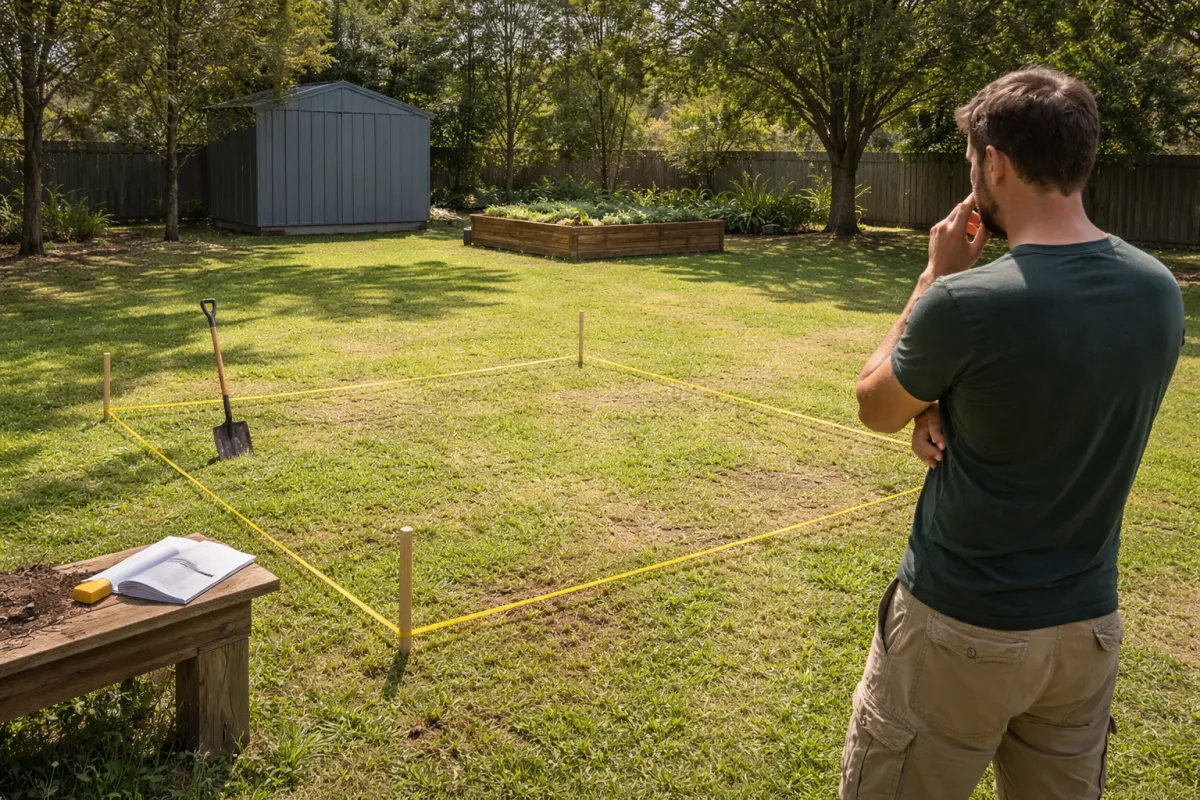
Choosing the right location on your property for a steel shed is one of the most important decisions you will make in the planning process. Even the best designed shed can feel uncomfortable or be harder to use if it is not in the right place. In Western Sydney and NSW conditions, smart site selection helps with access, stability, water control and future use. In this post we walk through key things to think about when locating your shed.
1. Check Access to the Area First
Easy access matters. Think about how you will move vehicles, machinery or tools in and out of the shed. You want:
A driveway or path that lets cars or trailers reach the shed easily
Enough space to open doors without hitting obstacles
Room for delivery trucks or installers to place the shed with minimal difficulty
If access is tight or awkward, consider moving the shed site or adjusting entrance points before building.
2. Think About the Ground Surface and Drainage
A shed needs to sit on firm and stable ground. The site should:
Be level or close to level so site preparation and foundation costs stay reasonable
Allow water to drain away from the shed so moisture and flooding are not issues
Avoid low spots where water might collect and cause damp or erosion
Australia’s weather can include heavy rainfall at times. A site that drains well will protect your shed and contents from water problems.
3. Mind Your Property Boundaries and Setbacks
Each council area in NSW has rules about how close structures can be built to boundaries. Before choosing a spot:
Check your property lines and boundary markers
Plan to meet required setbacks from fences, easements or neighbour boundaries
Remember that larger sheds may need more space from property edges to comply with local rules
A little planning here saves time and headaches when it comes to approvals and permits.
4. Consider Sun, Shade and Orientation
Where the sun hits your shed matters, especially if you spend time inside or store temperature‑sensitive items. When choosing a site:
Decide whether the shed will get full sun, partial shade or mostly shade
Think about how heat from direct sun might build up inside the shed
Choose a location where future shading from trees or structures will not cause dampness or mould
Getting shade in summer can make a shed more comfortable. Just make sure surrounding trees or plants do not drop leaves or debris on the roof.
5. Think Ahead to Future Uses and Expansion
You want your shed to work for you now and in the future. When choosing a location:
Leave room around the shed for access and future upgrades
Avoid spots that might restrict doors, extensions or new additions later
Think about how other structures, fences, tanks or walls may affect use or space
Choosing a spot that gives you flexibility will save you from feeling cramped later.
6. Plan for Utilities and Services
If you want power, lighting, water or internet in your shed, location matters. Consider:
How far the shed will be from the house or mains power
Where rainwater or water supply access might best be connected
Whether you need lighting, fans or other future services installed
Planning these details early makes installation smoother once the shed is built.
Conclusion
When you choose the right spot for your steel shed you make the rest of the build easier. Good access, stable ground, proper drainage and future flexibility all contribute to a shed that works well for years. Take the time to think through site choices before building and you will be glad you did.
If you need help planning your ideal location in Western Sydney or surrounding NSW, the team at Upspec Steel Buildings is here to assist. We help you get the best outcome from the very start.

