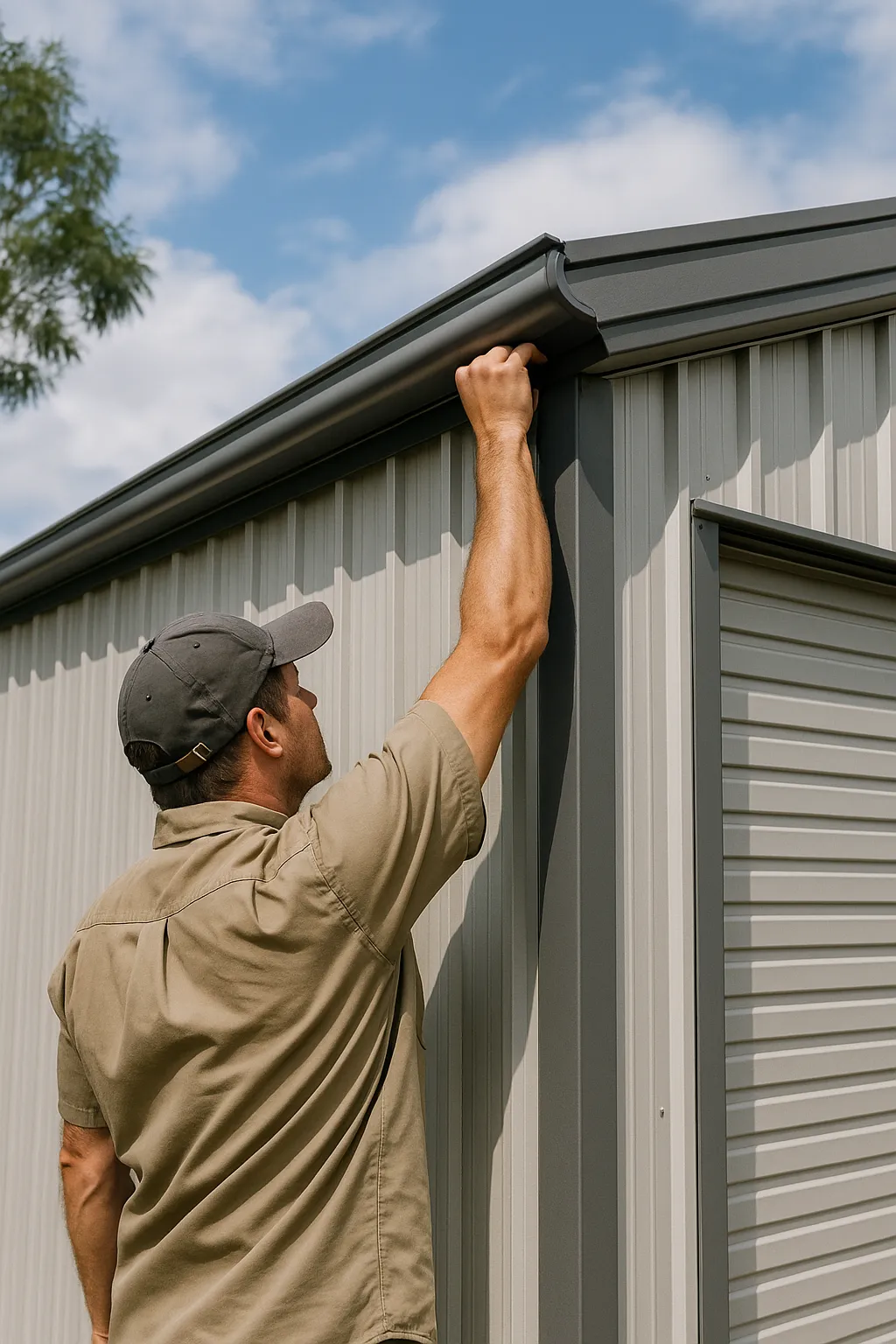
How to Maintain Your Steel Shed: Essential Tips for Longevity
How to Maintain Your Steel Shed: Essential Tips for Longevity
Introduction
A steel shed is a great investment for storage, workshop space or vehicle garaging. Over time however, exposure to the elements, occasional wear and tear or neglect can reduce the performance and lifespan of your shed. With a regular maintenance plan you can preserve its structure, appearance and functionality. This guide outlines essential maintenance tasks for steel sheds — especially useful for homeowners and businesses in Western Sydney and surrounding NSW regions.
Why Regular Shed Maintenance Is Important
Protecting structural integrity: Regular checks prevent small issues — such as rust, leaks or loose fasteners — from growing into bigger, expensive problems.
Preserving value and appearance: Well‑maintained sheds look better over time and maintain their resale or reuse value. Clean gutters, no rust, good coatings and intact weatherproofing help the shed remain attractive and functional.
Avoiding damage to contents: Proper maintenance reduces risks of water ingress, dampness, leaks, pests or mould — which can damage items stored inside.
Ensuring safety and usability: Well‑maintained doors, roofs, gutters and structure ensure you can safely and conveniently access the shed, use it as a workshop or store vehicles without worry.
SHED MAINTENANCE CHECKLIST — WHAT TO DO AND WHEN
1. Biannual Shed Inspection
Twice a year — ideally at the end of autumn and at the end of spring — conduct a full inspection:
Roof and wall panels: Check for signs of rust, loose panels, leaks, corrosion, dents or warping.
Fasteners, seams and flashings: Ensure screws, bolts and joints are tight and intact. Replace or re‑tighten if any are loose or missing.
Gutters and downpipes: Clear out debris like leaves, twigs or dirt that may have accumulated. Blocked gutters often cause water pooling which leads to rust or foundation issues.
Floor, foundation and slab: Look for cracks, uneven sections or water pooling. A stable, dry base helps prevent structural issues over time.
2. Regular Cleaning (Every 6–12 Months)
Wash exterior walls and roof using mild detergent and soft brush or cloth. Avoid abrasive materials that could scratch protective coatings.
Clear gutters and drainage paths to ensure water flows away from the shed and doesn’t collect around the base.
Sweep interior floor, remove clutter and inspect for damp patches, mould or leaks — especially after rainfall or heavy weather.
3. Rust Prevention & Protective Coating Care
Check for any scratches or chipped paint where underlying steel may be exposed. Touch up these areas promptly with appropriate protective paint to stop rust from forming.
Maintain vents or airflow inside the shed to reduce condensation — stagnant moist air often leads to corrosion or mould build up.
4. Check Doors, Locks & Moving Parts
Ensure doors (roller, sliding, etc.) operate smoothly, without obstruction or misalignment. Also check seals around doors to prevent water ingress or drafts.
Lubricate hinges, rollers, and tracks if necessary. This reduces wear and prevents damage over time.
5. Address Moisture, Ventilation & Internal Environment
Ensure good ventilation to prevent condensation and dampness inside, particularly during humid or wet seasons.
If storing sensitive items — tools, painted items, fabrics — consider installing ventilation, moisture‑absorbing products, or periodic airflow checks.
6. Pest & Vermin Prevention
Seal any gaps, holes or openings that could allow rodents, insects or birds entry. Check vents, door seams and base junctions.
Avoid storing combustible rubbish near the shed. Keep surrounding landscape tidy to minimise attraction for pests.
7. Maintain a Maintenance Log
Keep a log of all inspections, maintenance tasks and repairs (date, what was done, any observations). This helps track shed condition over time.
A maintenance record helps you identify recurring issues early and plan for preventive care before problems escalate.
Tips for Australian / NSW Conditions (Heat, Rain & Humidity)
Given harsh sun and periodic heavy rain, ensure protective coatings stay intact and gutters are clean so shed handles climate stress.
Use light-coloured exterior finishes if shed sits in full sun; light colours reflect heat and reduce internal temperatures (important if shed is used as workshop or storage).
In wetter months check roof sealing, guttering, and base drainage more frequently — water ingress and damp can accelerate corrosion or rust when neglected.
Ensure proper ventilation to cope with humidity and prevent condensation — especially if storing metal tools, paint, or other moisture-sensitive materials.
Conclusion
Maintaining your steel shed regularly and correctly ensures it remains safe, functional and long‑lasting. With straightforward inspections, cleaning, rust prevention and thoughtful upkeep you can avoid many common problems and extend your shed’s useful life significantly.
At Upspec Steel Buildings we understand what it takes to maintain a quality steel shed in Western Sydney’s climate. If you want help with maintenance schedules or advice on coatings, clearance or ventilation — we’re here to assist.

