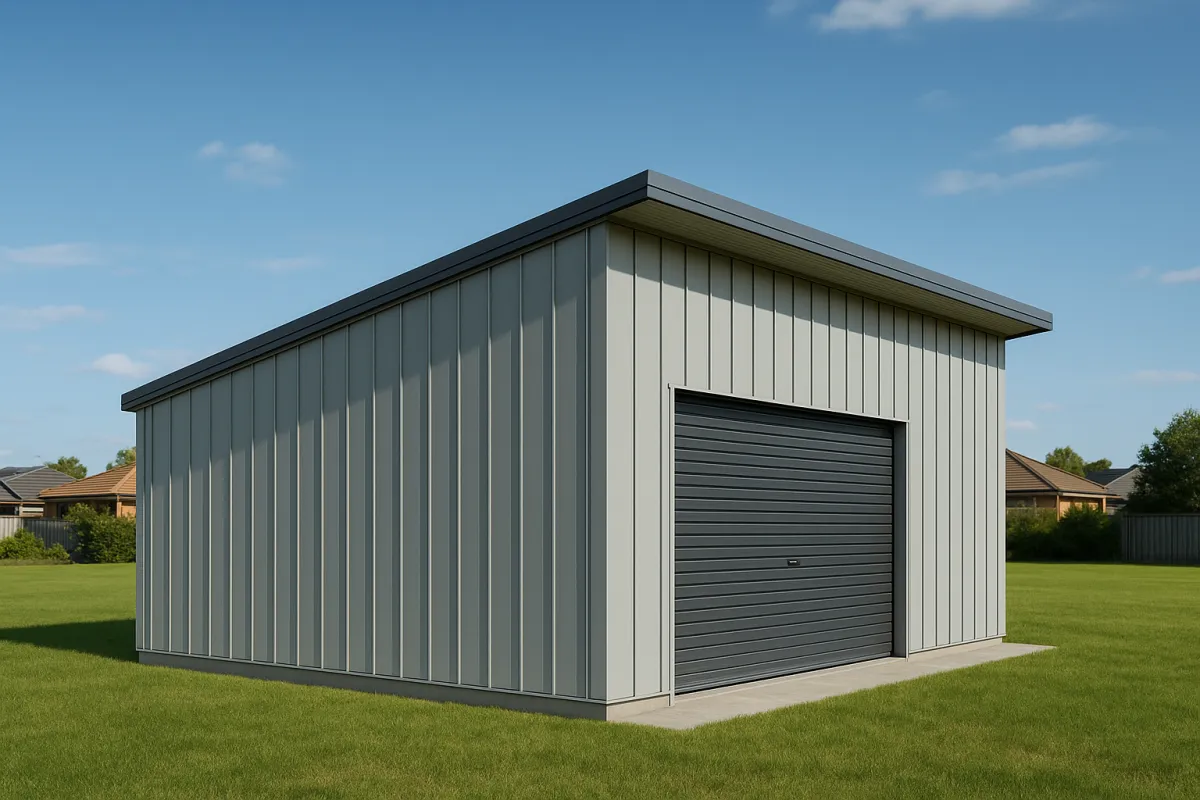
How to Choose the Right Shed Size for Your Property in Western Sydney
How to Choose the Right Shed Size for Your Property in Western Sydney
Introduction
Selecting the correct shed size is one of the most important decisions when building a new steel shed. Whether you need extra storage, a personal workshop, a home gym, or a garage, the right size ensures functionality, comfort, and value for your investment.
This step-by-step guide is designed for homeowners and business owners in Western Sydney, including Penrith and surrounding areas, to help you make the best choice for your property.
Why Shed Size Matters
Functionality: The shed must accommodate its intended use. A shed that is too small may become frustrating, while an overly large one can become costly and wasteful.
Council Compliance: In New South Wales, size and location restrictions affect whether your shed needs council approval.
Future Needs: Choosing a shed that suits your long-term requirements saves time, money, and effort later.
Step 1: Identify the Purpose of Your Shed
Understanding the primary use of your shed helps determine the ideal size.
General Storage: A smaller shed can house tools, lawnmowers, and boxes.
Workshop or Hobby Area: A medium or large shed allows for workbenches, equipment, and room to move comfortably.
Vehicle Parking: If you’re storing one or more vehicles, you'll need a shed with the right width, length, and door clearance.
Multi-Purpose Use: For a combination of storage, parking, and workspace, go with a larger shed that can be tailored to all your needs.
Step 2: Measure Your Available Space
Before deciding on shed dimensions, measure your space accurately. Consider:
Total ground space available
Distance from fences, trees, or other buildings
Access paths for vehicles or tools
Room for maintenance and possible future expansion
Also, take into account the slope of your land and drainage conditions. These factors affect shed placement and may impact the maximum size you can build.
Step 3: Know Common Shed Sizes and Their Uses
Here are some popular shed size examples and what they typically suit:
Size Ideal Use
6m x 6m Single car garage, small workshop, or general storage
6m x 9m Double garage with storage space or hobby area
7m x 9m or 8m x 8m Larger workshop, tool storage, or small business use
9m x 12m Home-based business or workspace with mezzanine floor
10m x 20m Rural, Machinery, Warehouse or industrial shed for commercial needs
All shed sizes can be customised to suit your property and preferences.
Step 4: Think About Height and Internal Layout
Do not forget to consider vertical space. For certain uses, you’ll need:
Extra ceiling height for machinery or racking systems
High doors for storing caravans, boats, or tall vehicles
Wide openings if using roller doors or sliding access
Enough space internally to allow for shelving, benches, or even a mezzanine floor
When choosing shed height, remember to also think about future changes such as adding solar panels or mechanical equipment.
Step 5: Understand Council Rules in NSW
In New South Wales, smaller sheds may not require council approval if they meet the following general conditions:
Located behind the building line of the home
Floor area does not exceed size thresholds set by local regulations
Maximum height and boundary setbacks are within limits
The shed is used for non-habitable purposes (not for living in)
For larger or custom steel buildings, you may need to lodge a Development Application (DA) or Complying Development Certificate (CDC). Always check with your local Penrith council or speak to our team to confirm approval requirements before building.
Step 6: Balance Budget and Practicality
While larger sheds offer more flexibility, they also come with increased costs due to more materials, site preparation, and potentially more complex approvals.
Ask yourself:
Will this size still meet your needs in 5 to 10 years?
Are you paying for space that may never be used?
Are you underestimating how much room you'll need?
The right shed balances affordability with long-term functionality.
Conclusion
Choosing the right shed size involves careful planning, space measurement, and understanding local regulations. By thinking ahead and matching your shed to your property, you can avoid costly mistakes and enjoy a space that suits your lifestyle or business needs.
If you’re ready to build your ideal shed in Western Sydney, get in touch with Upspec Steel Buildings. We’ll help you choose, customise, and construct a shed that’s built to last and designed to perform.

