How to Keep Your Steel Shed Cool, Dry and Comfortable with Ventilation and Insulation
How to Keep Your Steel Shed Cool, Dry and Comfortable with Ventilation and Insulation
Introduction
A steel shed is built to last, but it can get hot, damp or stuffy if you don't plan for comfort. In places like Penrith and greater Western Sydney, the weather can be intense. Without good ventilation and insulation, your shed may become uncomfortable or even unsafe for your tools, vehicles or equipment. In this blog, we’ll break down how to keep your shed cool, dry and comfortable all year round.
Why Ventilation and Insulation Matter
If your shed traps heat or moisture, it can affect everything inside. Poor airflow and high temperatures lead to:
Excessive heat in summer
Condensation build-up in winter
Rust on tools and equipment
Mold and mildew on stored goods
An uncomfortable environment to work in
Ventilation helps air circulate and moisture escape. Insulation helps control temperature and reduce condensation. When combined, they create a comfortable space no matter the season.
How to Ventilate Your Steel Shed
Use Natural Airflow
Install vents near the roof to let warm air escape
Add louvres or grills near the bottom of the shed to let cooler air in
Consider placing vents on opposite sides to allow cross-flow ventilation
Add windows or door openings where possible to boost airflow
Consider Mechanical Ventilation
For sheds used as workshops or for long periods of time, you may also want:
Ceiling fans or wall-mounted fans
Exhaust fans for removing fumes or dust
Powered roof ventilators for larger sheds
This keeps air moving and makes it safer and more pleasant to work inside.
Insulating Your Shed the Right Way
If you spend time in your shed or use it for storing delicate items, insulation is a smart investment. It will:
Keep the shed cooler in summer and warmer in winter
Reduce condensation caused by temperature changes
Help protect items stored inside from heat or moisture damage
Improve comfort for working in the shed year-round
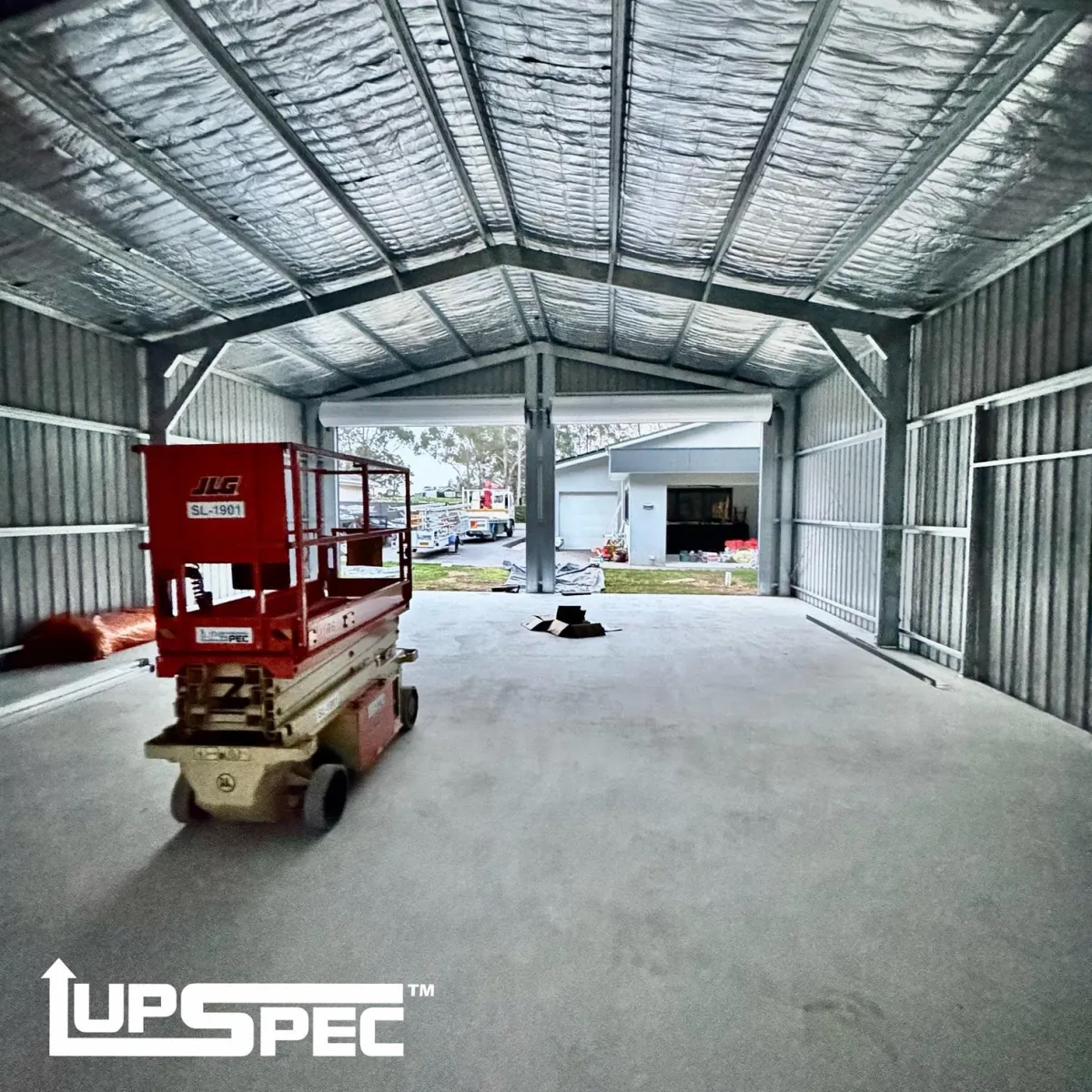
Insulation options include foil-backed blankets under the roof, wall panels or batts between framing. You can also insulate roller doors or use thickened windows if needed.
Practical Tips for Setup
Here’s a simple checklist to make your shed more comfortable:
Install fixed vents high and low for natural airflow
Use roof ventilators or whirlybirds if the shed is large
Add insulation under the roof to reduce radiant heat
Seal wall gaps to avoid drafts and pests
Choose light-coloured roofing to reflect sunlight
Position your shed where it gets some natural shade, if possible
Western Sydney Climate Considerations
Sheds in Western Sydney face intense sun, high humidity and big temperature swings between seasons. Good ventilation prevents heat build-up and keeps air moving, while insulation controls temperature changes and protects from condensation. If you're storing timber, electronics, fabrics or anything sensitive to heat or moisture, these steps will help preserve them.
Conclusion
A few smart choices during the planning or setup phase can make your shed much more comfortable and practical. Ventilation and insulation work together to reduce heat, control moisture and protect your shed’s contents. Whether you use it as a workshop, garage or for storage, it will feel and perform better with the right setup.
If you're building a new shed or upgrading an old one, Upspec Steel Buildings can help. We design sheds built for real Aussie conditions and provide expert advice on ventilation, insulation and everything in between.

