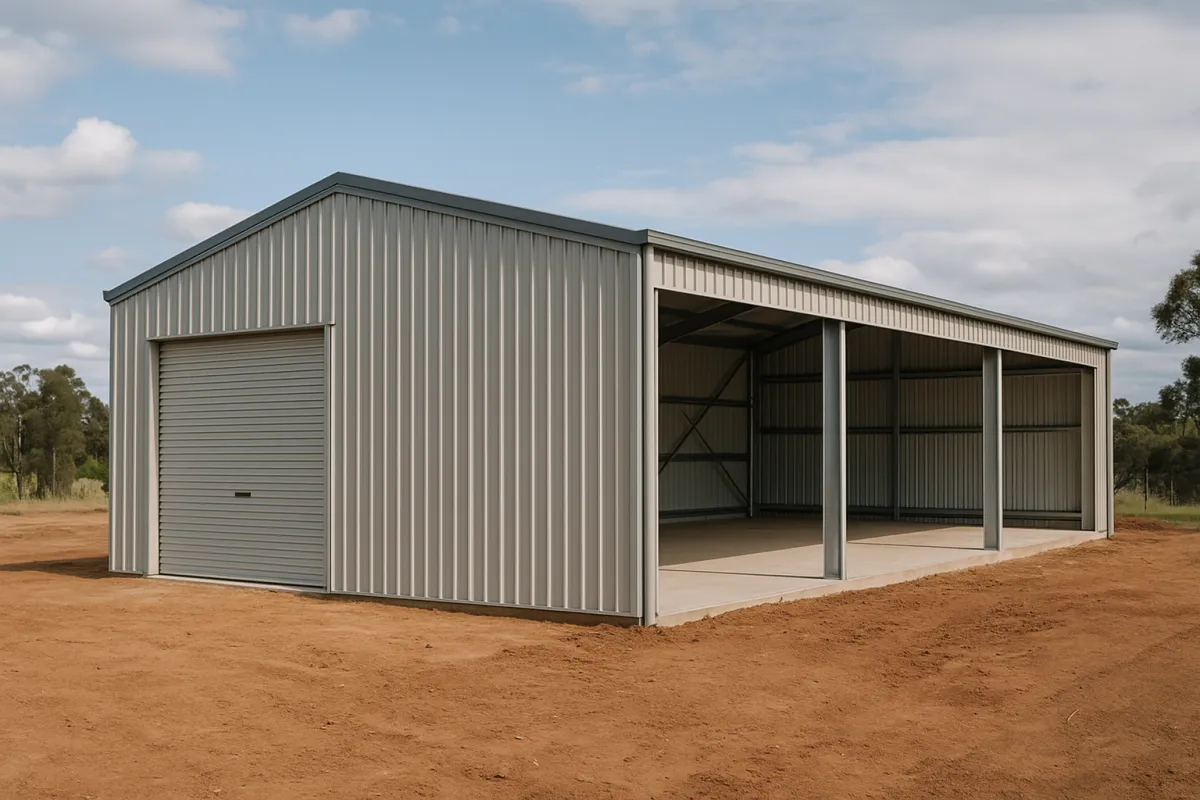
What to Know When Building a Large Steel Shed in NSW
What to Know When Building a Large Steel Shed in NSW
Introduction
Thinking about building a large steel shed? Whether it's for business, farming, or serious storage, there are some key things you should know before getting started. Bigger sheds need more planning. From design and engineering to approvals and site preparation, this blog covers everything you need to consider before construction begins.
1. Know What You’re Using the Shed For
Start by being clear about the main purpose of your shed. This will help guide everything from the size to the door placement.
Some common uses include:
Storing machinery, caravans, trailers, or large vehicles
Creating a commercial workshop or warehouse
Running a business or industrial operation
Combining multiple uses like storage and workspace
Each purpose brings different design requirements, so it’s best to plan around your specific goals right from the beginning.
2. Choose a Size That Makes Sense
When it comes to large sheds, size affects everything. More space is great, but make sure you choose dimensions that suit your block, budget, and long-term needs.
Things to consider include:
Floor area and usable width
Internal height, especially if you're working with tall vehicles or racking
Future expansion potential
Access for vehicles or deliveries
Bigger sheds often need structural steel framing systems to support wider spans. That’s why planning and engineering early makes a big difference.
3. Get the Site Ready First
Before the build starts, you’ll need to make sure the land is suitable. Site preparation is one of the most important steps in any shed project.
Checklist:
Is the site level and well-drained?
Will you need to clear or excavate?
Is there easy access for trucks or equipment?
What kind of concrete slab or footings are needed?
Larger sheds need solid foundations. Investing in a good slab and drainage system now will save you from issues later.
4. Understand Your Approvals and Engineering Needs
With larger structures, you will most likely need council approval or a complying development certificate. There may also be zoning laws or building codes that affect what you can do.
You may need:
A detailed site plan
Engineering drawings or certification
Fire safety or stormwater plans
Additional approvals if using the shed for business purposes
Getting this sorted early will help avoid delays down the track.
5. Choose Quality Materials That Will Last
For big sheds, the quality of your materials really matters. Go for premium steel with good coatings to protect against rust and corrosion. Your cladding, roof sheets, guttering, doors and fasteners all need to handle sun, wind and rain for years.
Also think about:
Ventilation and airflow
Roller doors that are wide enough and high enough
Skylights or windows for natural light
Insulation if the shed will be used regularly
A well-built shed made with the right materials is an investment that will pay off long-term.
6. Plan for Access and Layout Early
You’re not just building a shed. You’re building a space that needs to work.
Ask yourself:
Where should the entry points be?
Do you need more than one roller door?
Will you have space for shelving, racks or machinery?
Is there room to move safely once it's full?
Get this right and your shed will stay practical, even as your needs change.
Conclusion
A large steel shed is a serious investment, and it needs more than just size. Proper planning, clear goals, quality materials and the right approvals all make the difference. Take the time now to think things through and you’ll end up with a shed that performs well for many years.
If you're ready to start planning your large shed project, the team at Upspec Steel Buildings can help. From site prep to final build, we make it simple to get the shed you need.

